

















IT Services
Read page details
IT Services
Support today, a brighter tomorrow: the systems your people use every day, kept running.
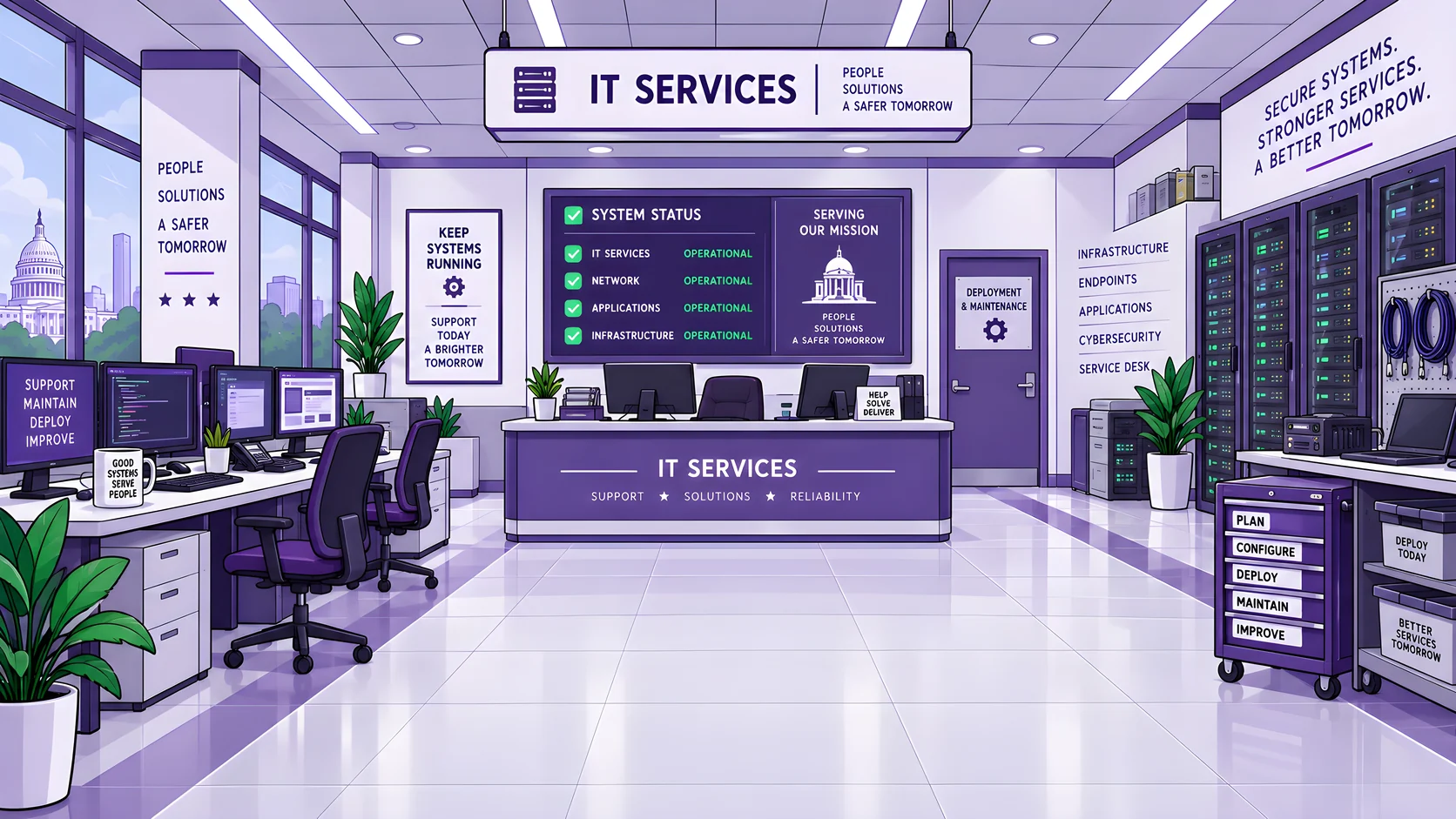
IT Services covers the systems your people touch every day: the service desk they call, the machines they work on, the network those machines sit on, and the way changes reach them. Each part of the room links to the matching section below.
Scope, exclusions and evidence for a specific engagement are written into the proposal for that engagement; this page describes the capability, not a contract.
System status
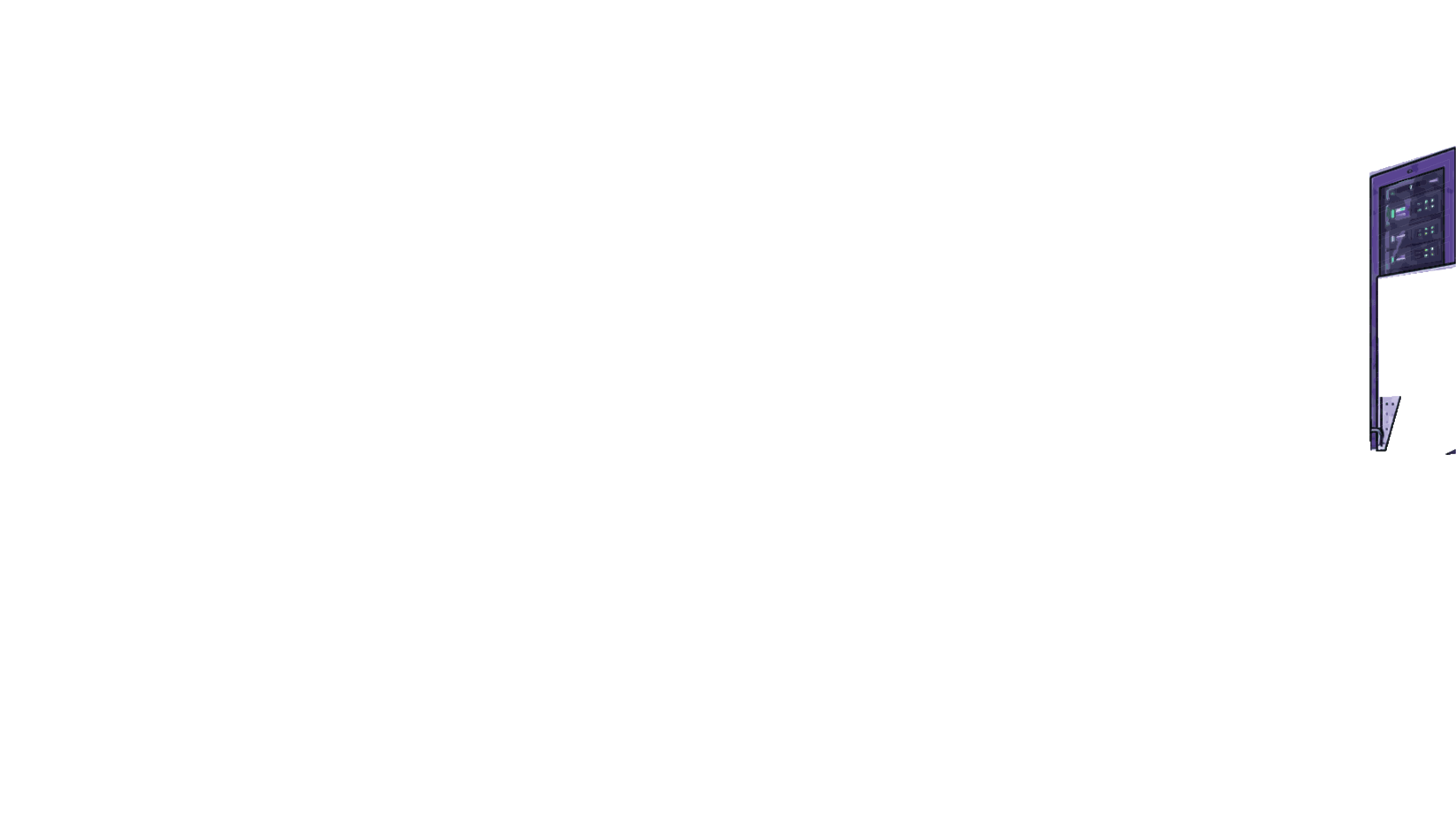
The status board in the room is an illustration, not live telemetry. Real monitoring is scoped per client and reported through agreed channels.
IT support
A service desk with a named person behind it. Requests are tracked from first contact to closure.
Workstations and endpoints
Laptops, desktops and the accounts on them: provisioning, updates, replacement and retirement.
Network and infrastructure
Racks, switches, servers and the cloud services that replaced some of them — designed, documented and maintained.
Deployment and maintenance
Planned rollouts with a tested rollback, and maintenance windows that are announced before they happen.
IT service process
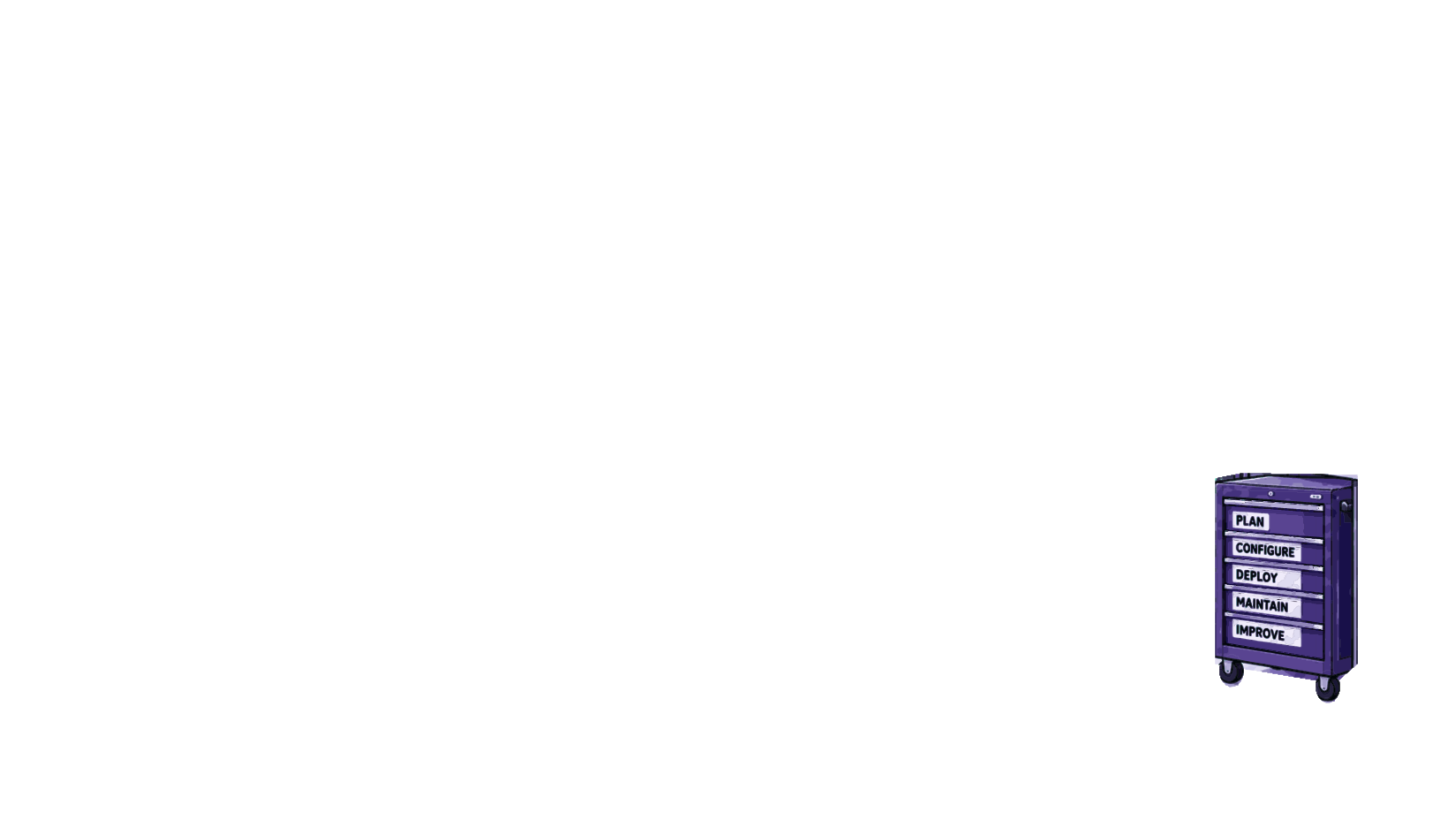
Plan, configure, deploy, maintain, improve — the five drawers of the tool cart, in that order.
The problem this solves
The systems people use every day — laptops, accounts, the office network, the servers or cloud services behind them — need someone to answer the phone, keep them patched, replace what breaks and roll out changes without surprises. Small organizations usually have nobody whose job that is.
Who it is for
- Small and medium businesses with 5 to 250 people
- City, county and district offices that run their own IT
- Prime contractors that need workplace IT covered on a delivery
What is included
- A service desk with a named person behind it; requests tracked from first contact to closure
- Workstations and endpoints: provisioning, updates, replacement and retirement
- Network and infrastructure: design, documentation and maintenance of what you run
- Deployment and maintenance: planned rollouts with a tested rollback and announced maintenance windows
What you receive
- A request log you can read, with each request's state and owner
- An inventory of the machines, accounts and services in scope, kept current
- Network and infrastructure documentation
- A change record for every rollout: what changed, when, how it was checked, how to roll back
Limits and exclusions
- Hardware purchasing on your behalf unless written into the engagement
- 24/7 support or guaranteed response times unless written into a specific agreement
- Software development and website work — those are separate capabilities with their own scope
How an engagement proceeds
- Plan. Inventory what you run and agree what is in scope.
- Configure. Standard builds, accounts and monitoring set up on the systems in scope.
- Deploy. Rollouts in announced windows with a tested rollback.
- Maintain. Patching, replacements and the service desk on an agreed schedule.
- Improve. A periodic review of what broke, what was slow, and what to change.
What supports this
- ThatDeveloperGuy LLC has operated as a business since 2017.
- Founding date on the organization record. Supported by the organization record
- The organization operates 218 live websites for clients across its hosting.
- Live count of every candidate hostname on the organization record, 2026-09-12. Supported by the organization record
- Named IT-services clients and references.
- To be supplied and approved by the owner before publication. Not yet published — awaiting the owner